Program
- Event
- Streaming
Tashlich Guide 5787
The ritual of Tashlich—casting bread into water while reflecting on the wrongdoings of the previous year—is a potent, tangible way to reset and recommit for the year ahead.
This Tashlich guide uses the four worlds of Kabbalah, the layers of reality our ancient mystics saw as integral to human existence, to engage with different forms of wrongdoing. Each page of this guide invites you to reflect on one world of wrongdoing, providing a Kavanah (intention), an excerpt from the high holiday liturgy, a responsive reading (to be split between individuals or groups), and an invitation to cast off our wrongdoings in the past year.
This ritual can be done alone, with family, in a havurah, or with a large group any time during the 10 days of Teshuvah between Rosh Hashanah and Yom Kippur.
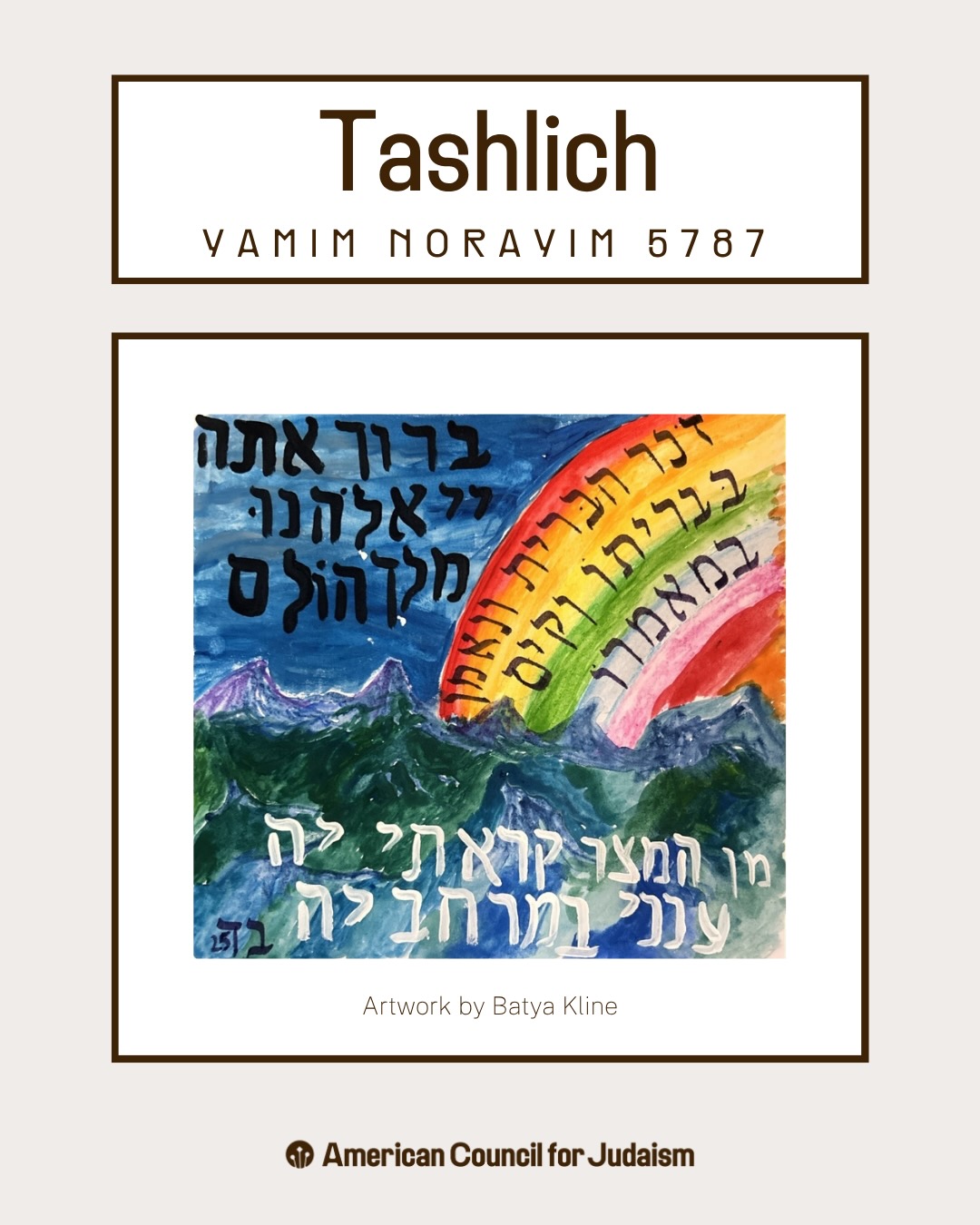
For nearly one thousand years, Jews have gathered on the banks of lakes, rivers, and oceans during the afternoon of Rosh Hashannah to perform Tashlich, the ritual of casting off. On this day, we meet the new year with pleas of forgiveness for our wrongdoings: intentional and unintentional, as individuals and as a collective, by deed and by complicity.
The ritual of Tashlich helps us cast off our mistakes from the past year so we may act more justly in the year to come. We do not perform Tashlich to forget and ignore the hurt we have caused.
Instead, we transform our wrongdoings from burning regret to illuminating guidance so we may better navigate our life path.
This Tashlich guide uses the four worlds of Kabbalah, the layers of reality our ancient mystics saw as integral to human existence.
Each world gives us a different opportunity for reflection. The first world, Assiyah (Action), is the harm we have caused through our direct actions. Yetzirah (Formation) is our wider complicity, and collective responsibility for human systems of harm and violence.
The third world B'riah (Creation) is the harm we have caused to our planet and the imbalances we have caused in the totality of life and creation. The fourth world Atzilut (Emanation) is healing our relationship with HaShem, divinity, and our own spirituality.
Each page of this guide invites you to reflect on one world of wrongdoing, providing a Kavanah (intention), an excerpt from the high holiday liturgy, a responsive reading (to be split between individuals or groups), and an invitation to cast off our wrongdoings in the past year. This ritual can be done alone, with family, in a havurah, or with a large group any time during the 10 days of Teshuvah between Rosh Hashanah and Yom Kippur.
Related Programming

- Event
- Streaming
Asunder! An Anthology of Jewish Anti-Zionist Fiction
Join ACJ board member Miriam Eisenstat and Author Aaron Kreuter for a conversation about Aaron’s new book Asunder. The first English-language anthology dedicated solely to Jewish anti-Zionist fiction, Asunder charts a new direction in Jewish literature as it takes a stand against the violent ethnic nationalisms that are currently destroying both Palestine and the world.
Learn More
- Event
- Streaming
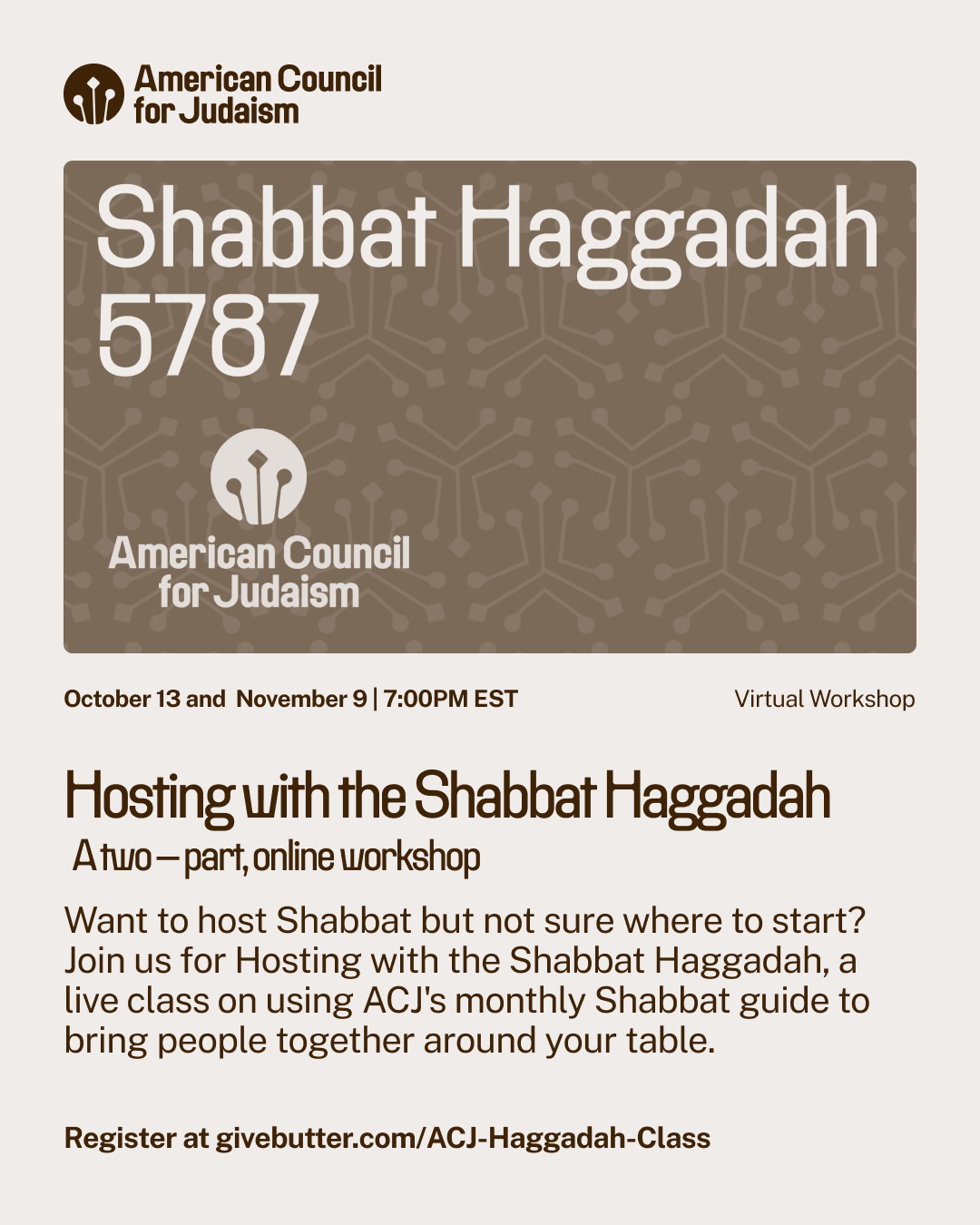
Hosting with the Shabbat Haggadah
Want to host Shabbat but not sure where to start?
Join us for Hosting with the Shabbat Haggadah, a live class on using ACJ's monthly Shabbat guide to bring people together around your table.
We'll walk through the blessings, talk through the questions hosts run into (What about the Hebrew? What if my guests have very different backgrounds? What if I'm the least experienced person there?), and help you plan your own Shabbat meal.
No experience or Hebrew required. You'll leave with a worksheet, a marked-up guide, and a plan.
Learn More

- Event
- Streaming
- Brooklyn, NY
Anti-Zionism: A Jewish Tradition Book Release Event
Join us for the book release event, in partnership with Jewish Currents, McNally-Jackson, and Lafayette Avenue Presbyterian Church, of Anti-Zionism: A Jewish History by Benjamin Moser, in conversation with activist and writer Jasper Nathaniel. The two will discuss the history of Jewish Anti-Zionism, its current iterations, and what it means to actively involve yourself in this tradition today.
Learn More